

Coming home after dark can make the evening feel shorter than it is.
Start with one useful transition, not a complete overhaul.
These four routines help organize arrival, dinner, a pause, and tomorrow’s essentials.
Adapt them to your work, household, and energy.
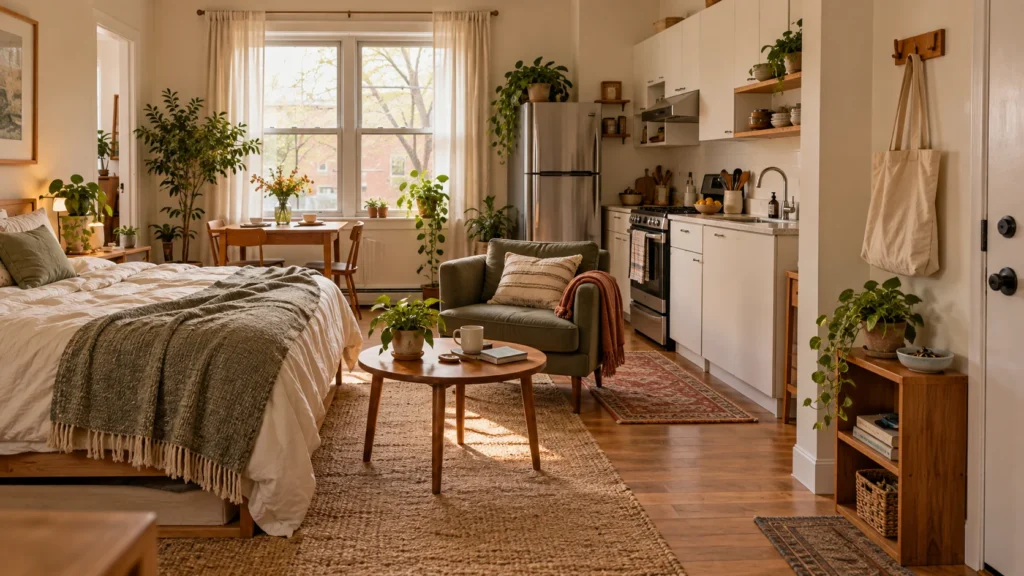
Give arriving home a clear finish
Set down your bag, put away your keys, and change the lighting you need.
Keep the action small enough for a tired evening.
This is not a second productivity shift.
A workable landing spot can reduce the number of things competing for attention.
- Put essentials where tomorrow you can find them.
- Keep coats and bags out of the walkway.
- Leave nonurgent tasks for a separate list.

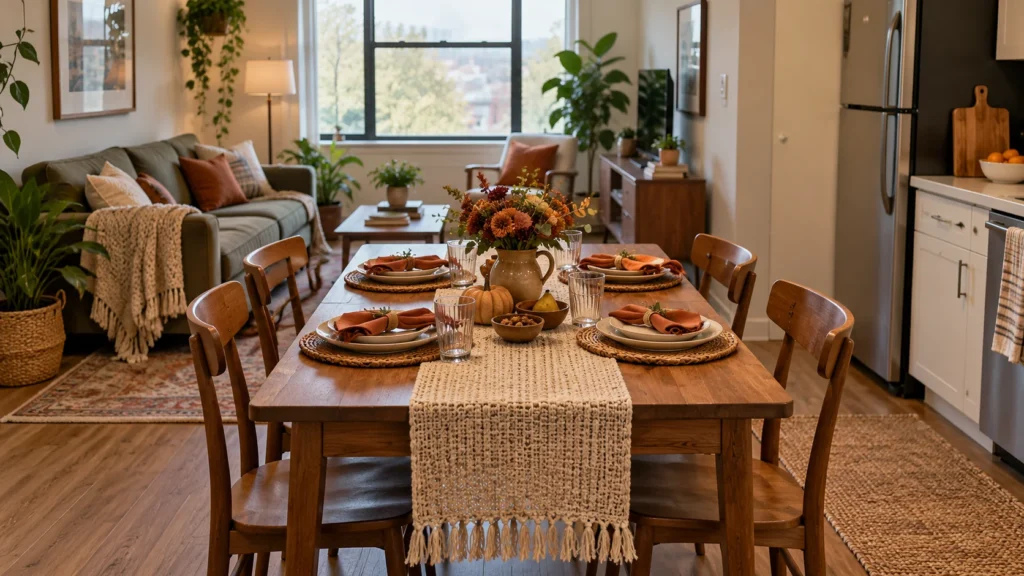
Choose the simplest workable dinner
Look at what needs using before deciding what to make.
A familiar meal may be more useful than an ambitious weeknight recipe.
Do preparation safely and keep the counter usable.
You can make the evening easier without turning it into meal-prep content.
- Pick one main dish before adding extras.
- Use ingredients you already have when practical.
- Put away perishable food before sitting down to edit photos.

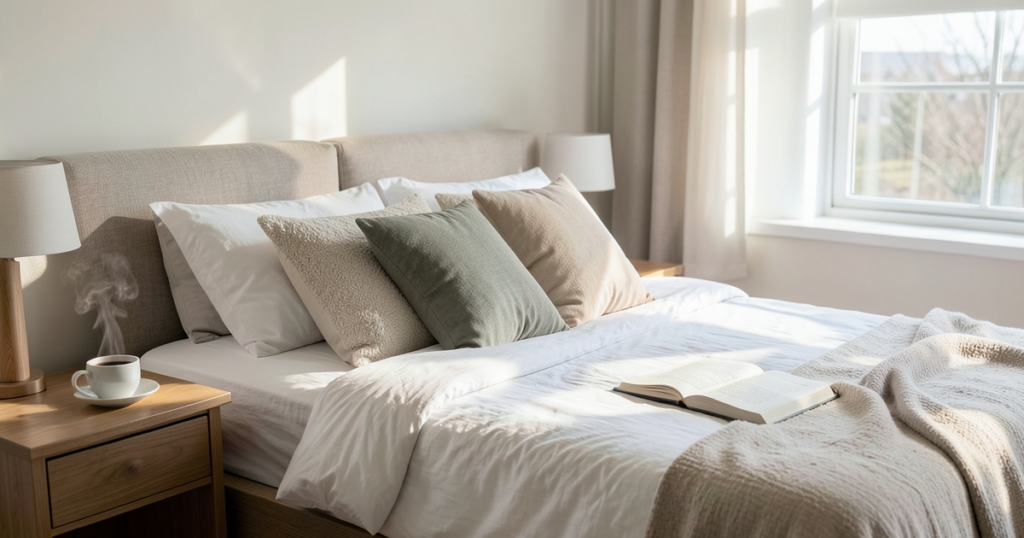
Make room for a real pause
Choose a pause that fits you: sitting quietly, talking to someone, or reading a little.
It does not have to be impressive.
Set a boundary around work notifications if your responsibilities allow it.
Do not promise a routine will fix stress or sleep problems.
- Put the phone somewhere deliberate for a short break.
- Use a comfortable light rather than a staged setup.
- Let the pause end without adding another goal.

Prepare one thing for the next morning
Choose clothes, pack a necessary item, or write the first task.
One useful decision is enough on a busy night.
Keep bedtime realistic and consistent where possible.
If sleep is regularly difficult, a social-media routine is not medical treatment.
- Prepare what you will actually use.
- Leave room for a different schedule tomorrow.
- Finish before the routine becomes another source of pressure.

Keep the routine flexible
CDC recommends consistent sleep times and notes that ongoing sleep problems deserve medical attention.
A lifestyle routine is not a substitute for care.
EPA describes source control and appropriate ventilation for indoor air.
Follow your building arrangements and outdoor conditions rather than adding fragrance.
For a related moment, explore our small-apartment reset ideas or Sunday captions.

Join the conversation
Comments 0
Have a thought or a tip to share? We would love to hear from you.